Blood Cleanup
Blood cleanup clears blood from furniture, walls, hard floors and carpet, followed by safe disposal.
See blood cleanupGet blood and bodily fluids removed from carpet, rugs and upholstered furniture in Barataria. Each layer is checked, and affected material is cleaned, disinfected or removed according to its condition.
Biohazard carpet and upholstery cleaning removes biological contamination from soft surfaces and the layers beneath them, followed by disinfection when the material can be treated safely and removal when it cannot.
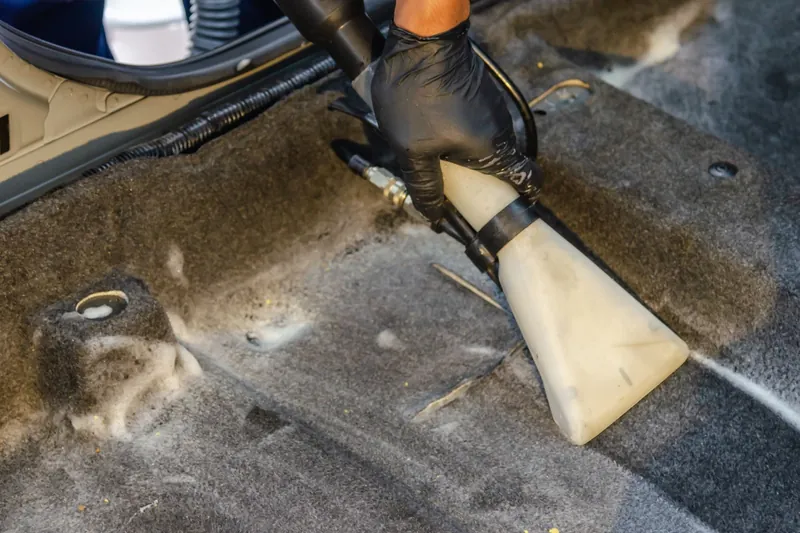
Appearance and soil are the focus of standard carpet cleaning, but a biohazard service looks beyond the surface. Its scope includes padding, carpet backing, subfloor and tack strips, as well as foam cushions and upholstery seams. Since vomit, feces, blood, urine and other bodily fluids can travel deeper than the visible area, technicians assess the concealed layers before determining what may stay.
Some limited and recent contamination can be cleaned if it is reachable and the material tolerates the complete treatment. Once unfinished wood, padding or foam becomes deeply saturated, however, a cleaning machine often cannot access it fully. The affected material is then taken out and contained for disposal under waste requirements that apply to the work.
You can reach someone during the day or at night, and cleanup crews arrive in unmarked vehicles. Ask what steps will protect privacy around the entrance and route used for work.
The scope should tell you which layers received inspection, what treatment can address and why removal of foam, pad or flooring is necessary before work continues.
The discussion should include any keepsakes or useful possessions that are affected. The right team explains treatment limits to you prior to placing meaningful furniture or a rug into the hazardous waste stream.
The entire process should be documented alongside photographs and itemized affected-property records, which can help you contact restoration services and insurance companies.
When ordinary cleaning cannot safely address biological material on upholstery, carpet or another soft surface, biohazard carpet cleaning may be necessary. Situations commonly include:
Rental carpet or a rental sofa or chair may require photographs and an item log, plus a cleaning or removal determination shared with the insurance company and property owner.
Blood from a fall, cut or medical event may soak through carpet into padding and spread along the subfloor. The visible stain does not define the entire affected area.
Depending on the depth of contamination, an area rug may require careful cleaning, treatment underneath or removal when disinfection cannot reach affected layers.
Carpet, pad, nearby possessions and baseboards may be affected by human or animal waste. Any independent odor removal follows source removal and disinfection.
Ask everyone to stay clear of the impacted carpet or furnishing, and do not move the material. While you arrange professional cleanup, take these initial steps to limit spread:
Call (888) 440-9227There is no carpet-specific range in the approved cost data. For context, published general biohazard cleanup ranges include $1,800 to $4,500 for residential work, $3,000 to $5,000 as a typical national range and $2,500 to $8,000 for most residential projects. A published full span is $1,500 to $25,000. These are comparison figures, not carpet cleaning prices. Your cost depends on the inspection and affected layers.
Published national cost guides are the source for these ranges, rather than an inspection of your property. After an on-site assessment, the price for your property is determined and shared with you before cleanup begins.
Ask about cost: (888) 440-9227Coverage may apply to biohazard upholstery and carpet work through commercial, auto, homeowners or renters insurance when the cause of contamination is a covered event. The specific circumstances, deductible and terms of the policy determine the claim.
A property owner or manager may arrange the cleanup service in a rental. Who must pay is determined by the event's cause, insurance coverage and terms in the lease.
Explain the source of the loss to your insurance company and identify every affected rug, carpet or furniture item. Your questions should cover cleaning, removal of affected items and subsequent restoration for floors or furnishings.
Ask what photos, item lists and cleanup records the adjuster needs. Keep the claim number and avoid discarding affected personal property until instructions are clear, unless leaving it creates an immediate safety concern.
Victims of violent crime can ask the Louisiana Crime Victims Reparations Board, supported by the Louisiana Commission on Law Enforcement, about crime scene cleanup. The program lists it among eligible expenses. Insurance is usually checked first.
Technicians work in a controlled sequence to locate contamination that is out of sight, protect nearby spaces and keep unsuitable material from being treated instead of removed. The kind of fluid, how far it penetrated and the soft surface's construction guide each stage.
Technicians inspect the visible area, backing, edges, padding and nearby hard surfaces. Furniture is checked at its seams and beneath removable cushions prior to setting the scope.
The affected work area is isolated from unaffected space. A controlled travel path is established for sealed waste and equipment, while appropriate protective gear is worn.
Solid material and visible soil are removed with methods that limit splashing and airborne particles. Cleaning starts before any disinfectant is applied.
Inspecting the subfloor, tack strip, pad and carpet backing may require lifting an edge or section. The same depth check is made inside accessible upholstery layers.
Materials that can be cleaned receive treatment appropriate for both the contaminant and fiber. When complete treatment cannot be achieved, deeply contaminated framing, foam, padding or carpet is taken out.
The product must be EPA-registered for the intended organism and surface, and its label directions must support that use. Required wet contact time is followed.
Any odor left after contaminated matter is gone is tracked back to its origin. Removal and close cleaning may use HEPA filters to manage airborne particles.
A final check covers the cleaned area, adjacent surfaces and route used for travel. The records you receive list completed cleaning, material removal and outstanding restoration work.
Call any hour. A biohazard carpet and upholstery cleaning specialist answers, explains the steps and agrees a start time with you.
Soft materials may trap contamination beneath their surface fibers. As a result, carpet and chairs can look clean while affected matter and bodily fluids remain inside.
Carpet, pad and upholstery that cannot be disinfected may require secure packaging and disposal under applicable rules. Keep loose materials from being dragged into clean areas.
A rug, room or chair linked to an injury or loss can make cleanup emotionally challenging. Trained professionals can perform the work so your attention stays with your family and your own needs.
After crossing the carpet backing, fluid may reach padding, tack strips, flooring seams and unfinished subfloor. Surface shampoo may leave contaminated materials underneath.
When a small blood spill is safe to clean yourself. A removable textile with just a few drops may be manageable when it is washable, there are no sharp objects and its care label permits safe handling. Follow public health recommendations and protect your hands with gloves. Arrange professional biohazard cleanup when fluid reached installed carpet, padding, upholstery foam or unfinished flooring, or when you cannot identify the full boundary.
For a soft surface to remain, its material must tolerate the entire cleaning and disinfection treatment, and the affected area must be reachable. Saturated layers that are deeply affected are taken out.
Timing varies with the amount of soft material involved, the distance fluid traveled into it and any need to remove padding, furniture or carpet. Only an inspection can establish a work schedule you can rely on.
| Scene | Typical time on site |
|---|---|
| A small affected area on one reachable surface | Required treatment and cleaning can sometimes follow the assessment within one period of work |
| A carpet and pad combination or one upholstered furnishing | Layer checks and material choices may lengthen the work |
| Multiple rooms, furnishings or sections of subfloor | Restoration follows when biohazard remediation and removals take more than one work period |
Addressing odor starts beneath the fibers you can see. Surface shampoo and fragrance will not correct contamination remaining in padding, unfinished subfloor, upholstery foam or carpet tack strips. Before separate deodorizing equipment is considered, technicians must find the odor source and either clean it or take it out.
HEPA air filtration may help control particles while affected materials are disturbed and removed. After source removal and disinfection, the cleanup team checks nearby surfaces and the air pathway. Ask what equipment will run, whether people and pets must leave the area and what conditions must be met before the room returns to use.
Timing varies with the amount of soft material involved, the distance fluid traveled into it and any need to remove padding, furniture or carpet. Only an inspection can establish a work schedule you can rely on.
The full biohazard carpet and upholstery cleaning guide covers what is cleaned or removed, odor and air quality work, and the rules that apply in Louisiana and Jefferson Parish.
Read the full biohazard carpet and upholstery cleaning guideLocal population patterns, housing and site access may affect how containment and cleanup are planned.
The relatively small 0.0% rental share does not change safety needs, but it can make property decisions more direct.
The 1987 median year matters during odor work because cabinets, wall cavities, and floor layers can hold the source.
A 40.4% share of seniors living alone matters because longer discovery times can allow odor and contamination to spread farther.
In an area with 100.0% single-family housing, sewage or fluids may reach lower levels through stairs, drains, and utility openings.
Your phone conversation can include questions about service in nearby ZIP codes and communities.
Blood cleanup clears blood from furniture, walls, hard floors and carpet, followed by safe disposal.
See blood cleanup
Blood spill cleanup addresses fresh or dried blood spills of every size.
See blood spill cleanup
Across care settings, commercial spaces and homes, bodily fluid cleanup includes disinfection.
See bodily fluid cleanup
Disinfection accompanies human feces cleanup in public restrooms, homes and rental properties.
See human feces cleanup
For furnishings, flooring and subfloors, urine cleanup includes odor removal.
See urine cleanup
Disinfection after vomit cleanup keeps norovirus and other germs from spreading further.
See vomit cleanup
A contaminated space is restored to safe use through biological remediation and contaminant removal.
See biohazard remediation
At the source, death odor removal uses air scrubbers plus hydroxyl and ozone treatment.
See death odor removalThe fabric, seams, batting, foam and frame are checked to learn how far the fluid traveled. When the affected material is accessible, cleaning and treatment may use a product approved on its label for that application. Deeply affected foam or a frame that cannot be reached may make removal safer than surface cleaning.
Dried blood should still be treated as potentially infectious. The CDC says hepatitis B can survive on surfaces for at least seven days. Avoid walking over the affected spot, brushing it or using a vacuum. The contaminated matter could spread through those actions, creating a larger area to clean.
Sometimes. Cleaning may be possible if the affected material is reachable, limited in extent and suited to the necessary disinfection and cleaning process. One or several layers might have to come out when liquid has entered the carpet backing, pad, tack strip or unsealed subfloor. A reliable decision requires someone to inspect the affected materials.
A biohazard should never be cleaned with a rental extractor or household vacuum. Dried material may be disturbed, fluid can spread through the carpet pad and contamination can enter the machine itself. If more than a few drops spilled or liquid entered concealed layers, do not move the carpet, prevent access and schedule an assessment.
The cause of the event, exact coverage language, excluded losses and deductible all affect the claim. Promptly report what happened and request details on coverage for biohazard cleanup, restoration and the removal of carpet or furnishings. Keep the claim number, photos, affected-item list and cleaning records requested by the insurance company.
Ask how technicians will inspect the carpet backing, padding, subfloor, upholstery foam and nearby surfaces. Find out what may require removal, how workers meet the disinfectant label's contact time, the way waste is packaged, which odor steps are included and what documentation you get for insurance or property records.
Crews offer discreet and respectful biohazard carpet and upholstery cleaning, arrive in unmarked vehicles and take calls 24 hours a day.